Most people who look up boxing for beginners have no plans to fight. They want cardio that is more interesting than a treadmill, some self-defence basics or a bit more confidence. You can have all of that without taking a single punch. Here is what to expect if you start from zero in Marrakech.
Will you get hit?
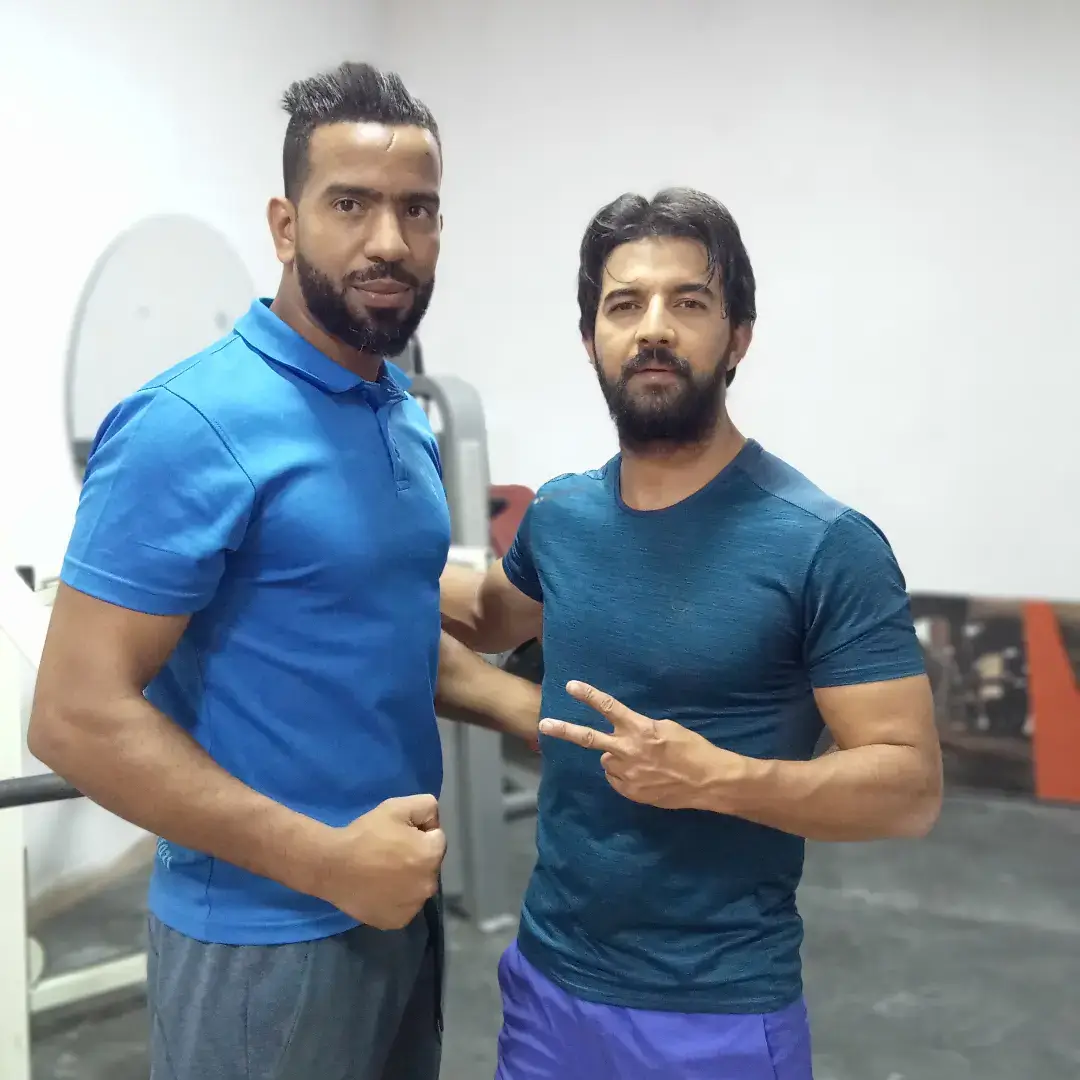
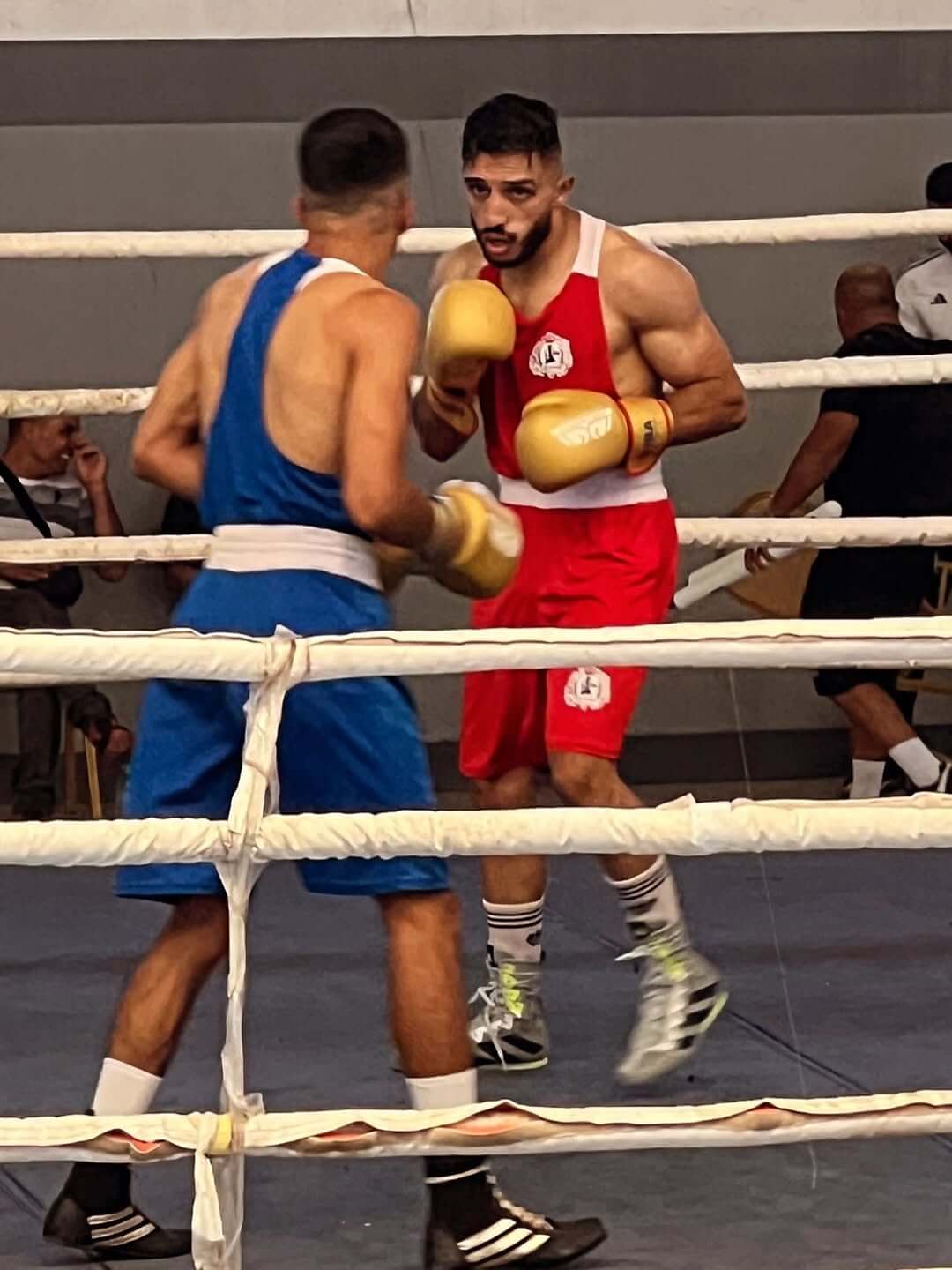
No. Fitness boxing is done on pads, the padded targets a coach holds on each hand, and on a heavy bag. You hit, you move, you sweat, and nobody touches you. Anas El Jazouli's record and coaching approach make the point well: a seven-time Moroccan champion and African champion, he says on his profile that contact is only for people preparing for competition who ask for it.
Sparring, meaning controlled fighting with a partner, comes much later, and only if you want it. If a trainer pushes you into sparring in your first weeks, go elsewhere.
What happens in a first session
Plan on about an hour. The opening minutes are a conversation about your goal, your history and any pain. Mention any past trouble with a shoulder, wrist, back or neck.
- Warm-up: skipping rope if your joints allow it, footwork, shoulder and hip rotations.
- Stance: where your feet go, how your weight sits, hands up protecting your face, chin tucked. This takes longer than you expect.
- Your first two punches: the jab with the lead hand and the cross with the rear hand. Slowly at first, then a little faster.
- A few short rounds on the pads, with rest in between.
- Core work, stretching and a quick review of what to practise.
Your forearms and shoulders will probably ache the next day, which is normal. Sharp pain in a joint is different, so say so straight away. The format is close to our Boxing & Kickboxing programme, which you can compare with the other options on the site.
The kit you actually need
To begin, bring flexible clothes, stable trainers and water. Do not buy a full set of equipment yet. Anas El Jazouli lends kit for the first sessions, according to his profile, then advises on what to buy and which size. Ask whichever coach you contact what they do.
If you carry on, two purchases soon make sense, for hygiene as much as anything:
- Your own gloves. The right weight depends on your build and how you will use them, so get advice before you pay.
- Hand wraps, worn under the gloves to support the wrist and knuckles. Learn to put them on properly from the start, because they protect you.
Mouthguards and headguards only matter for sparring. You can skip them for pad and bag work.
Boxing, kickboxing, Muay Thai or contact karate?
Boxing uses the fists only. Kickboxing adds kicks. Muay Thai, from Thailand, adds knees, elbows and clinch work. Contact karate comes from a different tradition, with its own stance and distance. For fitness and coordination you do not need to decide yet, since guard and footwork carry over from one to another.
The coaches listed on our site cover several of these. Anas El Jazouli comes from contact karate and competition. Abdelouahed Taoufiq, who focuses on combat-based conditioning, uses boxing, Muay Thai and MMA mostly as a full-body workout, with programmes for all ages. Mourad Taoufiq, with two decades of coaching behind him, mixes boxing with strength work and Pilates. You can browse all our Marrakech coaches and where they travel on one page.
How often should you train?
Two sessions a week is a good minimum if you want the technique to stick. That is the benchmark on Anas El Jazouli's profile: below it, part of every session goes on correcting what you lost since the last one. One session a week still helps for fun and fitness, especially with ten minutes of shadow boxing at home in front of a mirror.
Leave a day between hard sessions. Shoulders and wrists take a lot of load at first, and they recover more slowly than your lungs.
Where to train, and how to handle the heat
Boxing needs little space. Pad work can happen at home, on a terrace or in a garden, so you do not need a gym at the start. A heavy bag needs an anchor point or a free-standing model, which usually means a gym. With travel and equipment in mind, a private coach who comes to your home in Marrakech can make the first weeks simpler. The indicative range is about 250 to 650 MAD per session, depending on the district and the coach.
Boxing raises your body temperature quickly. From June to September, move outdoor sessions to early morning or late evening, and read our advice on training safely in very hot weather.
Who should speak to a doctor first?
Boxing loads the heart and the joints. Talk to your doctor if you have a heart condition or poorly controlled blood pressure, a history of concussion or unexplained neck or shoulder pain, or if you are pregnant. Children and teenagers need different work, built around coordination and play. Abdelouahed Taoufiq takes them from around eight years old, with loads suited to growth.
Booking the first session is usually the hardest part. Once you have learned your stance, the rest builds week by week.