Average daily highs at Marrakech's Menara weather station for 1991 to 2020 reach about 33.6 °C in June, 37.7 °C in July, 37.4 °C in August and 32.5 °C in September. Those are averages, so plenty of days go well beyond them. You can keep exercising through the summer, but your hours, your location and your expectations all have to change.
Why heat makes everything harder
Working muscles produce heat, which your body sheds mainly by sweating and by sending blood to the skin. In very hot air, that system is already busy before your first repetition. Your heart beats faster for the same effort, and water loss builds up. A pace that felt easy in April can be exhausting in July without any loss of fitness on your part.
The WHO lists athletes among the people exposed to exertional heat stress, and it advises avoiding strenuous activity during the hottest time of day. Older adults, children, pregnant women and people with chronic conditions need to be more careful still, and should talk to their doctor where relevant.
When to train from June to September
The simplest rule gives you two outdoor windows: before 8 am or after 7 pm. Between those hours, move indoors, whether at home if it stays cool, in an air-conditioned gym in Gueliz or Hivernage, or over video. That is how outdoor sessions are scheduled on our page about personal training in Marrakech all year round.
Do not rely on the clock alone. After a very hot day, walls and pavements keep radiating heat well into the evening, especially in narrow streets and on roof terraces. Grass or packed earth beats asphalt, and shade beats open ground. Marrakech's parks and gardens offer that shade, within their opening hours.
How to adapt the session
- Lower the intensity before you think about cancelling. Reduce speed or load, and take longer rests.
- Shorten the hard block. Twenty good minutes beat forty you merely survive.
- Give your body time to adjust. Over one to two weeks, build up the time you spend exercising in the heat, especially if you have just arrived from somewhere cooler.
- Wear light, loose, pale clothing, with a cap outdoors. Sunscreen matters in the morning too.
- Leave experiments for later. August is no time to chase a personal best or try your first interval session.
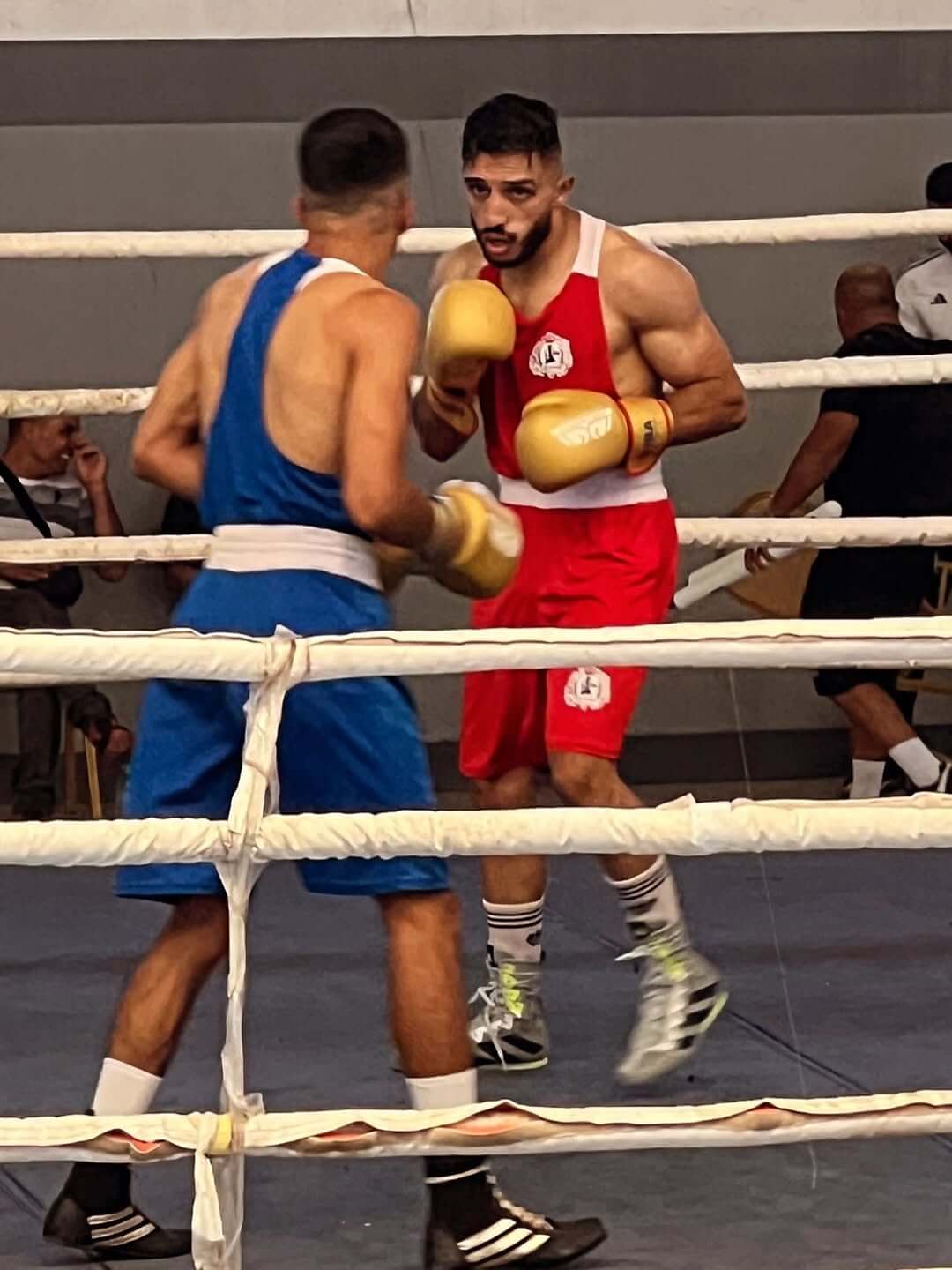
These changes apply to every format. Combat training heats you up fast. Sessions with Anas El Jazouli rely on timed rounds with precise instructions, a structure that is easy to shorten in summer. If you are new to it, keep our guide to your first boxing session handy and cut the rounds down in summer.
How much should you drink?
In its guidance for periods of intense heat, the WHO's French-language fact sheet advises drinking regularly, at about a glass of water an hour and at least 2 to 3 litres a day. This general guide does not replace medical advice. People with heart or kidney failure, for example, should follow what their doctor says about quantities.
In practice, start the session well hydrated by drinking steadily in the hours before, then take small sips during exercise. Long, sweaty sessions also cost you salts, which your next meal helps replace and a suitable sports drink can support. Go easy on alcohol and very sugary drinks beforehand. Thirst arrives late, so do not wait for it.
Warning signs that mean stop
The US Centers for Disease Control and Prevention describes two levels everyone who trains in the heat should know.
Heat exhaustion: headache, nausea, dizziness, weakness, irritability, thirst, heavy sweating, raised body temperature. Stop the session, get to shade or somewhere cool, drink, and cool down with cold compresses. Seek medical advice, and call for emergency help if there is no improvement or care is not available.
Heat stroke: confusion, slurred speech, loss of consciousness, seizures, hot skin that may be dry or drenched, very high body temperature. The WHO calls it a medical emergency with a high fatality rate. Call the emergency services at once, move the person somewhere cool, take off outer clothing and cool them as fast as you can, staying with them until help arrives.
Cramps, a racing heart or unusual fatigue are also reason enough to end a workout. No session is worth pushing through them.
What if you have no cool space?
Fall back on the simplest plan: short sessions at dawn, a walk in the evening and strength work in the coolest room you have, with a fan if the temperature is not extreme, since a fan alone stops being enough in very high heat. To see what your short sessions add up to, read how much weekly activity is enough. Several short efforts all count.
If you would rather have someone organise this for you, pick a trainer by the districts they cover and explain your timing constraints in your first message. You can also ask for a shorter summer plan and return to your normal training in October. Our 40 to 75 minute programmes scale down without trouble.